
How to Fillet Mahi Mahi + Tips for Easy Cleaning
Mahi mahi are fairly easy to clean once you get the hang of it. Their size can make them a little awkward to handle at first, but with a sharp knife, enough room to work, and a basic understanding of the fish’s anatomy, the process is pretty straightforward.
In this guide, we’ll walk through how to fillet a mahi mahi step by step, from the first cut behind the head to removing the skin and trimming the fillets. We’ll also share a few tips for cleaner cuts, less waste, and an easier cleanup when you’re done.
Quick Tips Before You Start
- Keep the fish cold. Firm, chilled meat is easier to cut.
- Use a sharp fillet knife. It makes cleaner cuts and gives you more control.
- Give yourself plenty of room. Mahi mahi can be a long fish to work with.
- Keep a scrap bucket nearby. Toss bones, skin, and trimmings in as you go.
- Take your time. Staying close to the bones helps you save more meat.
Before you start cutting, though, there are a few things to know about timing, handling your catch, and setting up your workspace. Let’s get to it!
Why Mahi Mahi Is Worth Filleting Compared to Other Fish
Mahi mahi, also called dorado or dolphinfish, gives you a lot of good meat to work with. The fillets are thick, firm, and run a good length of the body, so a successful day on the water can mean plenty of fresh fish to bring home.
And it’s worth making the most of it. Mahi mahi has a mild, slightly sweet flavor that works well grilled, baked, blackened, or cooked in a pan. Learning to clean your own catch helps you save as much of that meat as possible and take the fish all the way from the water to the table. They can grow up to 88 pounds in five years, which is part of why larger fish can yield so much meat.
When to Fillet Your Mahi Mahi
You don’t have to fillet a mahi mahi as soon as you catch it, but you do want to get it chilled quickly and keep it cold until you’re ready to clean it. A well-iced fish stays firmer and easier to work with while helping maintain the quality of the meat.
If you’re cleaning fish outside, work in the shade whenever possible and keep the mahi on ice until you’re ready to start. Once the fillets are finished, get them back into a cooler or refrigerator rather than letting them sit out in the heat.
How Long Does It Take to Fillet a Mahi Mahi?
For most anglers, filleting a mahi mahi only takes a few minutes once you’re comfortable with the process. A smaller fish will usually go faster, while a large mahi can take longer to skin, trim, and portion.
Don’t worry too much about speed, especially if you’re still learning. Taking a little extra time to follow the bones and make clean cuts can help you save more meat and end up with better-looking fillets.
Setting Up Your Mahi Mahi Cleaning Area and Cutting Board
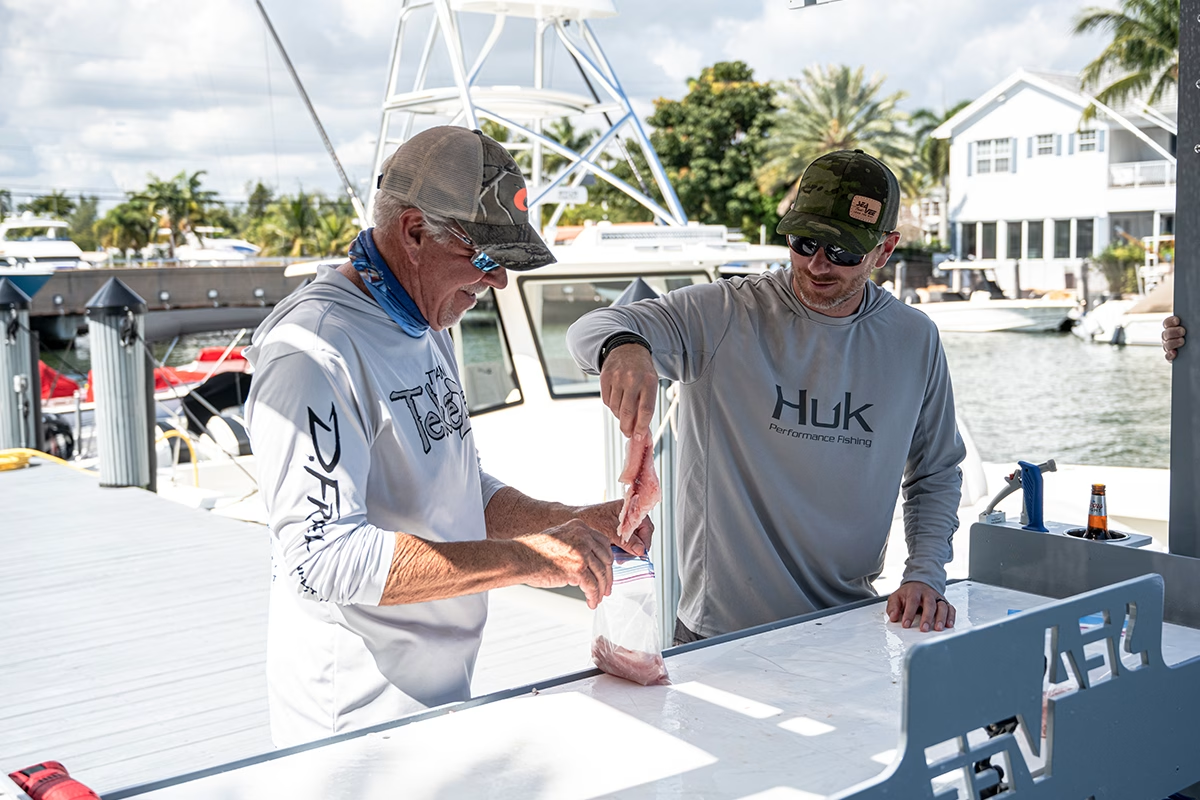
Mahi mahi can be long fish, so give yourself enough room to lay the fish flat and turn it as you work. A stable fish cleaning table or large cutting surface will make the job much easier than trying to work with part of the fish hanging over the edge.
Make sure the surface doesn’t slide or wobble while you’re cutting. Good lighting also makes it easier to follow the backbone, trim the bloodline, and check the finished fillets for anything that still needs to come off.
Keep water and a place for scraps nearby too. Being able to clean your hands, knife, and work surface as you go makes the whole process easier and leaves you with much less of a mess when you’re finished.
Essential Tools, Including a Sharp Knife, and Setup for Mahi Mahi Filleting
You don’t need a lot of gear to fillet a mahi mahi, but having everything ready before you start makes the job much easier.
- Sharp fillet knife: A flexible fillet knife makes it easier to follow the bones and work around the skin.
- Large, stable cutting board: Give yourself enough room to lay the fish flat and turn it as you work.
- Clean towels: Keep a few nearby for your hands, quick cleanup, and getting a better grip on a slippery fish.
- Cooler with ice: Keep your mahi mahi cold until you’re ready to clean it.
- Water source: Keep water nearby for cleaning your hands, knife, and work area as you go.
- Gloves: Cut-resistant gloves can give you a better grip and some extra protection while you work.
Once everything is laid out and your fish is cold, you’re ready to start making your cuts.
How to Fillet a Mahi Mahi Step by Step
The basic process is simple: remove the fillets from each side, take off the skin, and trim away any bones, bloodline, or unwanted pieces.
Take your time and let the shape of the fish guide your knife. Mahi mahi do not fillet exactly like other fish because their shape and bone layout help guide where you stay close with the knife. You don’t have to make every cut in one pass, and staying close to the bones will help you leave less meat behind.
Step 1: Make the Initial Cuts
Lay the mahi mahi on its side with the head facing your non-dominant hand. Find the pectoral fin, which will help guide your first cut.
Make a diagonal cut just behind the pectoral fin toward the head and gill plate, cutting down toward the gills until you reach the backbone. Male mahi mahi have a more pronounced forehead, so the shape around the head may be a little different as you work.
Some anglers open the belly or stomach cavity and remove the guts before or after filleting, depending on how they clean their catch.
Follow the curve behind the head until you reach the spine. Then lightly score the skin along the back from the head toward the tail, keeping your knife close to the bone so you don’t leave good meat behind.
Step 2: Remove the Fillet From the Backbone
Continue cutting along the backbone from the head toward the tail. It’s important to use the tip of the knife and smooth strokes along the backbone. Let the bones guide your knife instead of trying to cut through everything at once.
When you reach the ribs, work your knife over and around them. Use a little pressure as you go instead of forcing the blade. Lift the fillet slightly as you go so you can see where your knife is and stay close to the bones.
If the ribs feel hard to get past, avoid breaking through them aggressively and keep following the bones.
As you continue toward the tail, lifting the fillet helps trace the bone line as the flesh separates until the fillet comes free. Flip the fish over and repeat the same process on the other side.
Step 3: Remove the Skin
Lay the fillet skin side down with the narrow tail end closest to your cutting hand. Grip the skin firmly at the tail. A clean towel can help if it’s slippery.
Slide your knife between the skin and meat, keeping the blade nearly flat against the cutting board. Pull the skin tight with your other hand and press the blade flat as you gently work the knife toward the thicker end of the fillet so it separates the flesh cleanly.
Mahi mahi skin is fairly thick, so take your time. If you start taking too much meat with the skin, flatten the angle of your knife and stay closer to the skin. A bit of adjustment to the knife angle can help save more meat if you start cutting too deep.
Step 4: Trim, Remove Pin Bones, and Clean Up the Fillets
Once the skin is off, check the fillet for any remaining pin bones, pieces of fin, damaged meat, or rough edges that need to be trimmed.
You can remove them with fish tweezers or pliers.
You’ll also see the darker bloodline running through the fillet. Trim away any blood and clean up that line if you want a milder flavor and a cleaner result.
If you have a larger fillet, this is also a good time to cut it into portions for cooking or freezing. Rinse the fillets in saltwater to preserve taste before chilling them. Keep the finished mahi mahi cold until you’re ready to cook or store it.
Final Tips for Filleting Mahi Mahi
Filleting a mahi mahi gets easier every time you do it. The biggest things are keeping the fish cold, using a sharp knife, and taking your time as you follow the backbone and work around the ribs.
Once you get comfortable with the basic cuts, you’ll be able to clean your catch faster while leaving less good meat behind. From there, you can portion the fillets for the grill, pan, or freezer, and they’ll work for a variety of meals depending on what you have planned.
A few tasty ways to cook fresh mahi mahi include:
- Grilled: Keep it simple with olive oil, lemon, garlic, and a little seasoning.
- Blackened: Use Cajun or blackening seasoning and cook it quickly in a hot pan.
- Baked: Add butter, lemon, garlic, and fresh herbs for an easy dinner.
- Pan-seared: Get a nice golden outside, then finish it with butter and a squeeze of lemon.
- With tropical salsa: Mango, pineapple, avocado, lime, or cilantro all pair well with mahi mahi.
However you cook it, keep an eye on the fillets so they don’t go too far. Mahi mahi can dry out if it’s overcooked.
Handle the fish carefully and keep it cold from start to finish, since that makes a big difference in how the fillets turn out on the plate.
Setting Up Your Mahi Mahi Cleaning Area
Mahi mahi can be long fish, so give yourself enough room to lay the fish flat and turn it as you work. A stable fish cleaning table or large cutting surface will make the job much easier than trying to work with part of the fish hanging over the edge.
Make sure the surface doesn’t slide or wobble while you’re cutting. Good lighting also makes it easier to follow the backbone, trim the bloodline, and check the finished fillets for anything that still needs to come off.
Keep water and a place for scraps nearby too. Being able to clean your hands, knife, and work surface as you go makes the whole process easier and leaves you with much less of a mess when you’re finished. Did you enjoy this post? You’ll probably like this one too: 5 Things Your Fish Fillet Station Must Have + Bonus Upgrades.
Upgrade Your Fish Cleaning Setup With SeaWard Systems
A good cleaning setup makes a difference no matter what you bring back to the dock. From mahi mahi and kingfish to snapper, grouper, and smaller inshore catches, having a stable surface with plenty of room to work makes it easier to clean your fish, keep your tools organized, and wash everything down when you’re finished.
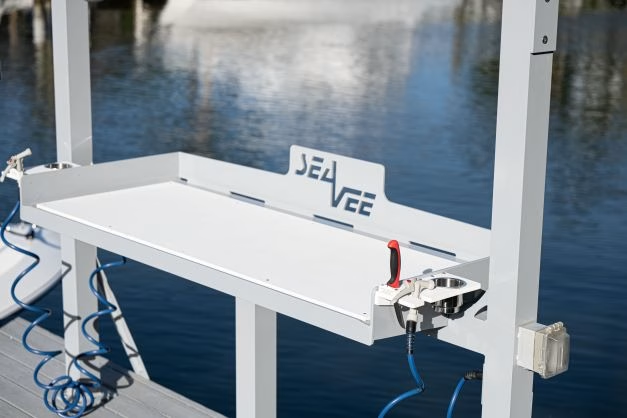
At SeaWard Systems, we build fish cleaning stations specifically for docks and waterfront environments. Our stations combine marine-grade aluminum construction with durable King StarBoard work surfaces and practical features designed to make cleaning your catch easier.
Depending on your dock, available space, and how you like to work, you have several options:
- The Edge – Our most feature-packed fish cleaning station, with a large work surface and plenty of room for bigger catches. Available features include a built-in washdown system, accessory trays, lighting, an electrical outlet, an awning, and other customization options.
- The Chase – The same durability as the Edge model, just without the awning. This option gives you a dedicated cleaning surface without taking up as much dock space. It offers a durable work area, concealed water connection, and options for customizing your setup.
- The Fish Slayer – A compact fish cleaning station for docks where space is at a premium. It gives you a dedicated, durable surface for cleaning your catch without the footprint of a larger station.
Whether you’re filleting a large mahi mahi or cleaning a cooler full of fish after a day on the water, having a purpose-built station can make the whole process easier from the first cut to the final rinse.
Explore our fish cleaning stations to find the right setup for your dock.
Frequently Asked Questions
What’s the best knife for filleting mahi mahi?
A sharp fillet knife with a thin, flexible, or semi-flexible blade works well for mahi mahi. A blade around 7 to 9 inches gives you enough length to work with a larger fish while still giving you control around the backbone, ribs, and skin. If you clean a lot of bigger fish, you may also want a longer knife specifically for skinning the fillets.
How do you keep mahi mahi fresh while filleting?
Keep the fish well iced until you’re ready to clean it, and work in a shaded, cool area whenever possible. Once the fillets are removed, keep them cold and pat them dry before refrigerating or freezing. If you’re not cooking the fish within a day or two, wrap it tightly or vacuum seal it and freeze it. Properly packaged raw fish can maintain good quality for several months in the freezer, and vacuum sealing can help reduce freezer burn and moisture loss.
Should you remove the skin from mahi mahi fillets?
In most cases, yes. Mahi mahi skin is tough and generally isn’t eaten. Removing it leaves you with a clean fillet that’s ready to portion, season, and cook. You can also leave the skin on while grilling or cooking to help hold the fillet together, then remove it before serving.
What do you do with mahi mahi scraps after filleting?
You don’t necessarily have to throw everything away. The head and bones can be saved for fish stock, and the collar behind the head contains meat through the middle that can be cooked on its own. Depending on how you trim the fish, you may also be able to save a few belly pieces. Some trimmings can also be used as bait or chum where local fishing regulations allow it. Anything you don’t plan to use should be disposed of properly, especially around docks and waterfront areas where scraps can attract wildlife and create a mess.


Proudly Built in the USA
SeaWard builds some of the richest products in the marine industry. Every product is carefully designed and thoroughly tested to provide a better experience on land, by the sea.
Featured article:
Florida Sport Fishing
Discover the Difference with SeaWard’s Custom Marine Products
SeaWard Systems custom marine products are influencing the marine industry and serving all who seek life on the water…
Recent Posts
-
What Is a Spot Zero Water System & Why It Makes Life Easier on Your Dock
If you’ve ever washed your boat at the dock, stepped back thinking you were done, and then watched water spots show up all over the…
-
7 Innovative Fish Cleaning Station Ideas
Cleaning fish is a lot easier when everything you need is right where it should be. A good fish cleaning station gives you room to…
-
How to Fillet an American Red Snapper
American red snapper are just as rewarding to catch as they are to cook. They put up a good fight, are a great-looking fish out…
-
Best Accessories for a Fishing Boat: Practical Add-Ons to Fun Upgrades
The right accessories can make a world of difference for your fishing boat. They make it easier to use, more efficient, more comfortable, and much…


