How to Fillet an American Red Snapper
American red snapper are just as rewarding to catch as they are to cook. They put up a good fight, are a great-looking fish out of the water, and have firm, mild, slightly sweet meat that works well with simple flavors like lemon, garlic, butter, fresh herbs, blackened seasoning, or seared over the grill.
But because red snapper has tough scales, sturdy bones, and flavorful meat worth saving, it pays to clean it properly. A sharp knife and a careful technique can help you get clean fillets, save the best extra cuts, and avoid leaving good meat behind.
In this guide, we’ll walk through how to fillet an American red snapper step by step, from scaling and trimming the fins to cutting along the backbone, working around the ribs, and removing each fillet cleanly. We’ll also cover how to save the cheeks and collar, so you get more from the fish and end up with better portions for cooking. Let’s get to it!
What You’ll Need Before You Start
Before you start filleting, gather everything you’ll need and keep it within reach. Red snapper can be messy to clean because of its tough scales, sharp fins, and firm body, so you don’t want to stop halfway through to hunt for shears, towels, or a sharper knife. Having the right tools ready makes the process smoother, helps you work more safely, and leads to cleaner cuts with less wasted meat.
Here’s what to have ready before you make your first cut:
- Sharp fillet knife: A 7–8-inch flexible fillet knife is a good choice for red snapper. The flexible blade helps you follow the backbone and rib bones without hacking through them or leaving too much good meat behind.
- Fish scaler or spoon: Red snapper scales are thick and tough, so don’t use your fillet knife to scrape them off. A scaler or the back of a spoon works better. Start near the tail and work toward the head in short strokes.
- Kitchen shears: The dorsal fins and spines can be sharp enough to poke or cut your hands. Use kitchen shears to trim the fins before scaling or handling the fish too much.
- Non-slip cutting surface: Use a cutting board that grips the table, or work on a steady fish cleaning table with a textured surface. The fish should stay in place while you cut.
- Clean towels or paper towels: Keep a few nearby for gripping the fish, wiping your knife between cuts, cleaning your hands, and patting the fillets dry before cooking.
- Pin bone pliers or tweezers: These make it easier to pull small bones after the fillet is removed. They’re especially helpful if you want cleaner, ready-to-cook pieces.
- Sharpening steel or whetstone: Touch up your knife before you start, and again during the process if the blade starts to drag. A sharp knife is safer and gives you cleaner cuts.
Once your tools are ready, take a minute to set up the area where you’ll be working. A steady, clean surface makes a big difference when you’re handling a slick fish and trying to follow the bones with control.
Set Up Your Filleting Station
Once your tools are ready, set up the area where you’ll be cleaning the fish. You can fillet red snapper at home, on the dock, or on the boat, but the basics stay the same: keep the fish steady, keep your knife clean, and give yourself enough room to work.
On the Dock
A dock setup is usually the easiest option, especially if you clean fish often. You’ll have more room, better access to water, and a stable surface for handling larger fish, such as red snapper.
A few things help the process go smoother:
- Make sure the table is secure.
- Use a surface with enough grip to keep the fish from sliding.
- Keep rinse water nearby.
- Have a plan for scales, scraps, and cleanup.
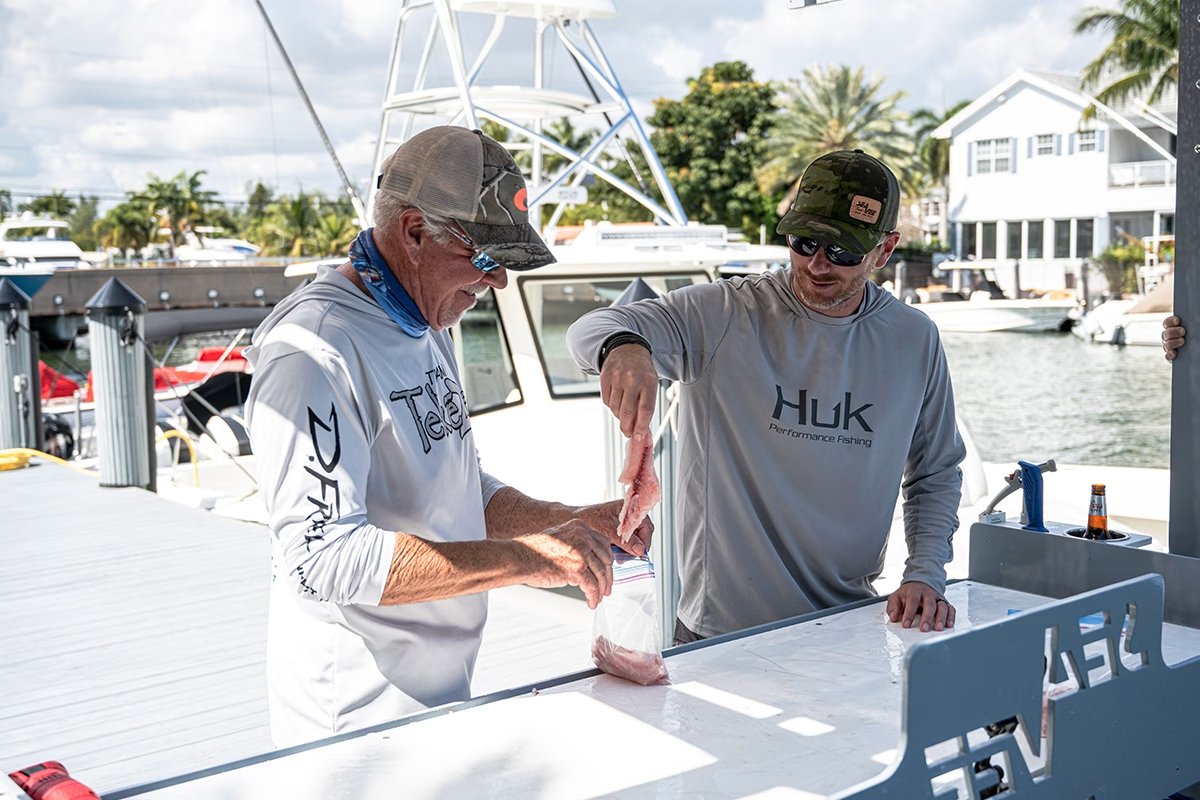
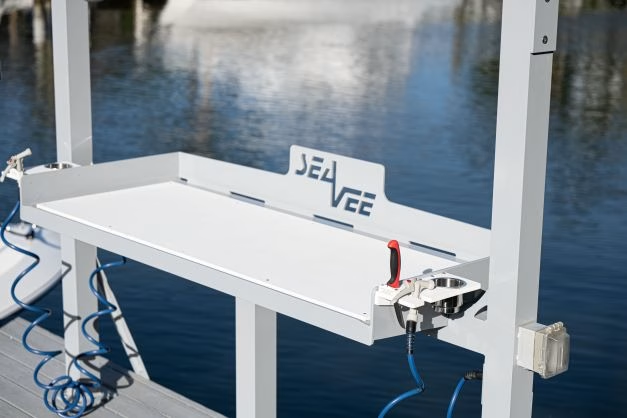
For a more permanent setup, take a look at our dock fish cleaning stations. They’re built for anglers who want a cleaner, sturdier, and more convenient place to process fish right at the dock.
On the Boat
Filleting on the boat works too, especially when you want to clean fish before heading back in. The setup just needs to be more controlled. Wet decks, sharp fins, and loose tools can make things harder if you’re not careful.
Also, check your local regulations before keeping or cleaning your catch. Some fish (including snappers in many cases) have to remain in whole condition until you land ashore.
Keep the setup simple and steady:
- Use a non-slip cutting surface.
- Keep your knife and shears where they won’t slide.
- Avoid working where people are walking or moving around.
- Watch for sharp fins and wet surfaces.
If you prefer to clean fish on board, our fishing boat accessories include boat-friendly cutting and cleaning station options that give you a dedicated work surface without taking over your deck.
At Home
A large cutting board on a stable counter or outdoor table works well. Good lighting and easy water access make the process cleaner and easier.
Set up the area before you start:
- Use a board large enough for the whole fish.
- Work near a sink, hose, or rinse bucket.
- Give yourself extra room for scales and scraps.
- Keep towels nearby for grip and cleanup.
Wherever you clean your fish, take a minute to get organized before the first cut. Put your knife, scaler, shears, towels, and pliers within reach so you’re not searching for anything once your hands are wet or covered in scales.
Scaling Your Red Snapper
Red snapper have thick, rough scales, especially around the head, collar, belly, and gill area. If you plan to cook the fillets with the skin on, scaling matters. Leftover scales can ruin the texture, and they can burn or turn bitter if you’re pan-searing or grilling the fish.
To scale the fish, hold it firmly by the tail. A towel helps you get a better grip. Use a fish scaler or the back of a spoon and scrape from the tail toward the head in short strokes. Work in small sections instead of trying to scrape the whole side at once.
Pay extra attention to:
- The collar area, which is the meaty section right behind the head
- Around the gills
- Along the belly
- Near the base of the fins
- Any edges where scales are easy to miss
Scales can fly everywhere, so it helps to work over a tray, near a rinse bucket, or at a fish cleaning station with water access. A light spray of water can also help keep loose scales from drifting around.
Once the fish is scaled, rinse it well to wash away loose scales, slime, and debris. This helps keep the meat cleaner once you start cutting.
If you’re planning to remove the skin completely, full scaling is less important. Even then, it’s still worth rinsing the fish well and scaling the collar area if you plan to save and cook the collar skin-on.
Making the First Cuts
Once the snapper is scaled and rinsed, you can start making the first cuts. Take your time here. These cuts set up the rest of the fillet, so clean placement matters.
Trim the fins first: Use kitchen shears to trim the top fin and the side fins near the head. You can also trim or fold back the lower fins if they’re in the way. This keeps the sharp spines out of your hands and gives you more room to work with the knife.
Make the cut behind the head: Start just behind the hard plate behind the gills and cut down at an angle toward the backbone. Angle the blade slightly toward the head so you save as much meat as possible near the thickest part of the fish. Cut deep enough to reach the backbone, but don’t cut through it.
Open the top of the fish: Next, use the tip of your fillet knife to make a shallow cut along the top of the fish, starting behind the head and following the base of the top fin toward the tail. This cut creates a guide for removing the fillet.
Keep this first pass shallow. You’re not trying to remove the fillet yet. You’re just opening a clean path so your knife can follow the backbone on the next cuts.
Removing the Collar
The collar is the thick, meaty section right behind the head, near the gills and side fins. It’s one of the best parts of a red snapper, but it often gets tossed with the frame. If you like grilled or roasted fish, the collar is worth saving.
After you make the angled cut behind the head, use your knife to separate the collar from the body. Cut down between the side fin and lower fin, then work through the connective tissue where the collar meets the belly and body.
A few tips:
- Use smooth, controlled strokes.
- Avoid hacking through the bones.
- Use kitchen shears if the bones are too thick for clean knife work.
- Keep the collar pieces chilled if you’re not cooking them right away.
Snapper collars are great grilled or roasted with the skin on. The skin gets crisp, while the meat stays tender and rich. If you’re storing them, wrap them tightly or vacuum-seal them, keep them below 40°F, and use them within a day or two. For longer storage, freeze them.
Filleting the Main Body
With the fish opened along the top, you’re ready to remove the main fillet. Lay the fish flat on your cutting surface with the backbone facing up and the head toward your dominant hand.
Start at the cut behind the head and slide the tip of your fillet knife into the opening. Keep the blade angled slightly toward the bones. The main idea is to stay close to the skeleton and let the knife separate the meat instead of forcing it through the fish.
Use long, smooth strokes from head to tail. As you cut, you should feel the blade riding along the bones. That light clicking against the frame is a good sign. It means you’re staying close and leaving less meat behind.
When you reach the ribs, slow down. Red snapper have strong, curved rib bones near the front of the fish. Don’t try to chop through them. Lift the fillet slightly with your free hand and slide the knife over the bones, keeping the blade close so you don’t leave meat behind.
Work your way down the body until the fillet is mostly free, then finish the cut through the tail end. Set the fillet aside and repeat the same process on the other side of the fish.
Once both fillets are removed, run your fingers along the centerline of each fillet to check for pin bones. These are the small, thin bones you can feel in the meat. Use pin bone pliers or tweezers to pull them out before cooking or storing the fish.
Skinning Your Red Snapper Fillets
Whether you leave the skin on depends on how you plan to cook the fish.
Leave the skin on if you’re grilling, roasting, or pan-searing the fillets. Red snapper skin can get crisp and flavorful when it’s cooked properly, but only if the fish has been scaled well.
Remove the skin if you’re making ceviche, cutting the fish into smaller pieces, or cooking it in a sauce where you want the seasoning to reach the flesh directly.
To remove the skin, place the fillet skin-side down on your cutting board with the narrow tail end facing you. Grip the skin at the tail end with your non-dominant hand. A towel helps if the skin is slippery.
Hold your knife almost flat against the board, with the blade angled slightly down toward the skin. Start at the tail end and push the knife forward while pulling the skin back toward you. Let the blade slide between the skin and flesh instead of pressing hard.
Avoid these common mistakes:
- Holding the knife at too steep an angle
- Letting go of the skin instead of keeping it tight
- Pressing down too hard with the knife
- Using a dull blade that drags through the meat
- Skinning before checking for pin bones
Once the skin is off, check the fillet again for bones, scales, or rough edges. Trim anything you don’t want, then rinse lightly if needed and pat the fillet dry before cooking or storing.
Making the Most of Your Red Snapper
Once the fillets are off, don’t be too quick to toss the rest of the fish. Red snapper has plenty of good meat beyond the main fillets, especially around the cheeks, collar, and belly.
The cheeks are small, tender pieces of meat behind the eyes. The collar is the thick, meaty section behind the head, and the belly trimmings can also be saved depending on how you plan to cook the fish. These pieces may not look like standard fillets, but they’re some of the best parts of the fish when grilled, roasted, or pan-seared.
You can also save the head and frame for stock. Simmer the bones with simple aromatics like onion, celery, herbs, garlic, lemon, or white wine, and you’ll have a flavorful base for soups, stews, sauces, or seafood rice dishes.
For storage, wrap fillets, collars, and other usable pieces tightly or vacuum-seal them if possible. Keep the fish cold, label everything with the date, and use fresh pieces within a day or two. If you’re not planning to cook the fish soon, freeze it while it’s still fresh.
Clean cuts make a big difference. Staying close to the bones, working carefully around the ribs, and saving the collar and cheeks help you get more from every fish you bring home.
If you clean fish often, a dedicated setup also makes the whole process easier. Our fish cleaning stations are built to give anglers a steadier work surface, better access to rinse water, and a cleaner way to handle scales, scraps, knives, and tools while processing a catch.
Red snapper is too good a fish to waste. Taking a little extra time at the cleaning table helps you get cleaner fillets, save the best extra pieces, and make the most of the fish from dock to dinner.
From the Cleaning Table to the Dinner Table
Once your red snapper is cleaned, trimmed, and ready to cook, the hard part is behind you. Now you get to enjoy why this fish is so popular in the first place: firm, mild meat that works with just about anything.
Red snapper tastes great with simple flavors like lemon, garlic, butter, olive oil, parsley, and a little salt and pepper. It’s also excellent with bolder sides and sauces, from mango salsa and grilled vegetables to rice, slaw, tacos, or a light white wine sauce. If you saved the collar, grill or roast it skin-on. If you saved the frame, use it for stock and turn it into soup, seafood rice, or a sauce base.
Taking a few extra minutes at the cleaning table pays off when you sit down to eat. Cleaner fillets, saved collars, cheek meat, and a good frame for stock all help you get more out of your catch and make the meal that much better!
Make Fish Cleaning Easier with Seaward Systems
If you clean fish often, the right setup can make the whole process cleaner, safer, and a lot more comfortable. A dedicated fish cleaning station gives you a steady place to work, keeps tools close by, and makes it easier to manage scales, scraps, rinse water, and cleanup.
At Seaward Systems, we build fish cleaning stations and boat-friendly accessories for anglers who want a better way to process their catch. Whether you clean fish at the dock or on board, our products are designed to give you a stable, practical workspace that holds up in saltwater, sun, and regular use. Did you enjoy this post? You’ll probably like this one too: 7 Innovative Fish Cleaning Station Ideas.
For a permanent dock setup, explore our dock fish cleaning stations. If you prefer to clean fish on the boat, take a look at our fishing boat accessories for compact, boat-ready options that help you work without taking over your deck.
Note: Before cleaning, make sure your fish were legally harvested and landed, and whether nor not you can clean them onboard before landing. Requirements vary by coast, water type, vessel, and year, so check current FWC and NOAA Fisheries regulations before keeping or cleaning your catch.
Frequently Asked Questions
What’s the best knife for filleting red snapper?
A flexible 7–8-inch fillet knife with a sharp, thin blade is ideal. The flex allows you to follow the contours of the backbone and strong curved rib bones without wasting meat. Rigid or thick blades leave good flesh on the skeleton or produce jagged cuts.
Do I need to scale red snapper before filleting?
Yes – unless you plan to remove all skin. Scaling prevents scales from contaminating the meat and is essential if you want crispy skin when you cook. At a minimum, scale the collar area if you plan to serve it skin-on.
How do I avoid making a mess while filleting?
Use a fish cleaning station with running water and proper drainage, keep a clean towel handy, and scale the fish in a contained area. Rinsing tools and surfaces as you go prevents buildup. A station with a spray nozzle and sloped drainage, like our Edge model, makes cleanup way easier.
What should I do with the collar and bones?
Save the collar for grilling or pan-searing – it’s some of the most delicious meat on the fish. Use the head, bones, and skin trimmings for fish stock. Don’t waste the cheek meat either; it’s a small, tender cut worth every bit of effort.
How do I cook pan-seared red snapper with crispy skin?
Use a hot stainless steel pan with olive oil at high heat. Pat dry the fillets with paper towels and season with salt and black pepper. Place them skin-side down and cook for 3–4 minutes without moving. Baste fish with oil while cooking to maintain crispiness. Red snapper is done when it reaches 145°F internally. Finish with a splash of lemon juice, garlic, and butter. A bit of white wine in the sauce makes the dish even more delicious.

Proudly Built in the USA
SeaWard builds some of the richest products in the marine industry. Every product is carefully designed and thoroughly tested to provide a better experience on land, by the sea.
Featured article:
Florida Sport Fishing
Discover the Difference with SeaWard’s Custom Marine Products
SeaWard Systems custom marine products are influencing the marine industry and serving all who seek life on the water…
Recent Posts
-
7 Innovative Fish Cleaning Station Ideas
Cleaning fish is a lot easier when everything you need is right where it should be. A good fish cleaning station gives you room to…
-
How to Fillet Mahi Mahi + Tips for Easy Cleaning
Mahi mahi are fairly easy to clean once you get the hang of it. Their size can make them a little awkward to handle at…
-
Best Accessories for a Fishing Boat: Practical Add-Ons to Fun Upgrades
The right accessories can make a world of difference for your fishing boat. They make it easier to use, more efficient, more comfortable, and much…
-
10 Best Dock Accessories to Upgrade Your Waterfront
A dock’s first job is simple: it gives you a safe, reliable place to tie up your boat, load gear, and get on and off…