Choosing the Best Boat Bait Table for Filleting & Beyond
If you’ve been cutting bait on a cooler lid (we’ve all been there), you already know why a real boat bait table is an upgrade.
Because choosing the best bait table comes down to more than having a flat place to cut. You need a workstation that stays solid while the boat’s moving, contains the mess, and gives you ample room to fillet fish and prep bait without taking over the deck.
If you’ve ever tried to fillet on a cutting board that won’t stay put, you already know how fast things go sideways. The surface slides, tools end up scattered, and what should be a quick job turns into a wet, frustrating mess.
A good bait table fixes that. It gives you a stable surface, keeps your tools in reach, and makes cleanup quicker, whether you’re filleting, cutting bait, or resetting for the next spot.
In this guide, we’ll break down how to choose the right table for your boat based on size, mounting options, durable materials, and the features that actually matter on the water.
Why Your Boat Needs a Dedicated Fillet and Bait Table
Cutting bait, rigging, tying, measuring, and cleaning fish all go a lot smoother when you’re not improvising on whatever surface happens to be open.
It also keeps your boat organized. When your knife, pliers, leaders, bait, and trash have a home, you spend less time clearing space and more time fishing. Everything stays in one zone instead of spreading across the deck.
It makes things safer, too. A defined prep area helps keep hooks and blades off walkways and cuts down the chances of someone slipping on scraps or stepping on something sharp.
And it protects the boat. Bait oils, blood, and scales can stain surfaces and leave odors that are tough to remove. A proper fish cleaning table helps contain the mess and makes cleanup faster at the end of the day.
Key Factors When Choosing a Boat Fillet Table
The best fillet table is the one that fits your boat and the way you fish. Start with four basics: size, mounting style, materials, and how often you’ll use it on the water. Get those right, and everything else comes down to which features make your life easier. Let’s talk about it.
1) Choose the Right Size for Your Boat and Your Crew
On a boat, compact usually makes the most sense. You want enough room to work, but not a table that gets in the way or turns into something everyone has to walk around.
A better way to choose is to think about where it’ll mount and how it’ll feel once it’s in place:
- Choose a footprint that won’t crowd the cockpit or block the path where people actually walk.
- Make sure it’s truly workable, meaning you can cut bait, set tools down, and work without constantly clearing space.
- Think about how many people are usually on board, because even a small table can feel big when a couple of people are moving around the same area.
Quick checks that save you from buying the wrong size:
- Can you still walk past it easily when it’s mounted
- Does it block a hatch, livewell, rod locker, or seat access
- Can you work without balancing tools on the deck
2) Pick a Mounting Style That Matches Your Boat
A table’s only as good as its mount. On a boat, you want something solid that won’t wobble when you lean into it.
The most common options are:
- Rod holder mounts: fast setup, easy removal, and no permanent modifications. Great when you want flexibility and simple storage.
- Transom-mounted setups: a more dedicated station that stays in a consistent spot and feels like part of the boat.
- Vacuum mounts: a solid temporary option when you want a secure hold without drilling, especially for smaller stations and quick prep work.
The right choice depends on the hardware you already have and where you can mount it without creating a traffic problem.
3) Prioritize Marine Ready Materials
Boat gear takes a beating from sun, salt, and moisture, so it pays to choose materials that can handle it.
Look for:
- UV resistance, so the surface doesn’t break down in the sun
- Corrosion-resistant hardware, so fasteners don’t rust out
- A surface that resists staining and odors and rinses clean easily
- A frame material that’s truly marine-ready, like marine-grade aluminum with a durable powder coat finish
4) Think Through How You Actually Use It
Be mindful of your routine. Are you mainly cutting bait and rigging, or do you also clean fish onboard?
- If you use it often, prioritize stability, easy cleanup, and enough working room to stay organized.
- If you use it occasionally, prioritize a fast install, easy removal, and storage that doesn’t feel like a hassle.
5) Features That Make a Real Difference on the Water
Some extras aren’t worth paying for, but these are genuinely helpful on a boat:
- Drain slots or a gutter that helps move water and mess away from your hands
- Tool organization, like a knife slot or an add-on tray that keeps tools from sliding around
- Raised edges or smart contours that help keep scraps from spilling onto the deck
- A textured surface that helps keep bait and tools from skating around when everything’s wet
- A mount that can store flat or stay out of the way when you want your deck open
Compatibility Checklist Before You Buy
- Measure your rod holder inside diameter and depth if you want a rod holder mount
- Confirm rod holder spacing if the table uses more than one holder to stay stable
- If you want a vacuum mount option, make sure you’ve got a clean, flat mounting surface
- Check the available transom space if you want a more dedicated setup
- Confirm that the table and mount are rated for the kind of use you’ll put them through
Once you’ve got these basics nailed down, choosing a fillet table gets a lot easier. You’re not just buying a cutting surface. You’re picking a setup that fits your boat, stays secure on the water, and keeps every trip cleaner and easier.
Boat Fillet Table Materials: What Really Lasts on the Water?
We touched on materials earlier, but they’re worth a closer look. On the water, the wrong materials show their weaknesses fast. And since a fillet table sits in plain sight, a setup that looks bulky, cheap, or permanently stained after a few trips will bug you every time you see it.
Marine Grade Cutting Surfaces That Stay Clean and Look Good
The cutting surface is the heart of any fillet or bait table. For real marine use, HDPE is one of the best options, and yes, that is what we use at SeaWard Systems. Specifically, we use marine-grade HDPE; King StarBoard, which handles harsh conditions without breaking down.
HDPE works so well because it is:
- Non-porous, so it resists water absorption and doesn’t hold odors like some materials can
- Easy to rinse clean, so it stays looking sharp instead of permanently stained
- Tough in the sun and salt, especially when it’s UV stabilized
- Knife friendly without feeling flimsy
- Available with a textured finish that helps keep fish and tools from sliding around
Why Cheaper Plastics Fail Fast
Lower quality plastics can look fine at first, but they often warp, fade, or get chalky after repeated sun exposure. Some can crack after a couple of seasons, and once a surface starts to flex or break down, it’s frustrating to use and not safe to cut on. What looks like a deal upfront usually turns into a replacement later.
Hardware and Frames Matter More Than People Think
Even a great cutting surface won’t feel solid if the mounting hardware corrodes or seizes up. For saltwater use, 316 stainless hardware is a strong standard because it holds up better than basic stainless in harsh conditions. It also helps when manufacturers isolate hardware from the frame finish to reduce corrosion over time.
A strong frame matters too. Marine-grade aluminum paired with a quality powder coat finish gives you strength without turning your table into a heavy, awkward piece of gear.
Material Quality Indicators to Look For
- UV-stabilized King StarBoard cutting surface with consistent color throughout
- 316 stainless or 316L stainless fasteners and mounting hardware
- Marine-grade aluminum construction with a durable powder coat finish
- Drain slots or contours that help keep water and mess moving off the surface
When you choose marine-ready materials, you get more than durability. You get a fillet setup that stays cleaner, looks better on your boat, and keeps performing trip after trip.
Essential Features to Look For in a Boat Fillet Table
To sum up what we’ve covered so far, once you’ve got the basics nailed down (fit, mount, and marine-ready materials), these features are what make a fillet table easier to use on the water:
Knife and Tool Storage That Actually Helps
A secure place for your knife makes a bigger difference than most people expect.
Accessory Mounting That Keeps Things Where You Want Them
On a boat, flexibility matters. Attachment points for add-ons like tool trays, cup holders, or other accessories help you build a setup that fits your workflow instead of forcing everything into one cramped spot.
Drainage That Controls the Mess
Drainage is one of the main differences between a basic board and a boat-ready table.
Stability When Everything’s Wet
A textured surface helps keep bait, tools, and fish from sliding as much while you work. It’s a small detail that pays off every trip, especially when you’re moving fast, and the deck isn’t perfectly still.
Storage Friendly Mounting
Boat tables work best when they’re easy to live with. Mounts that install quickly, remove cleanly, or fold flat for storage are a big win, especially if you like keeping the deck open when you’re running or when you’re done prepping.
Quick feature checklist:
- Drain slots or a gutter-style edge
- A knife slot or optional tool tray for organized storage
- Attachment points for accessories
- Textured surface for better grip
- A mount that’s secure and easy to store when you’re not using it
When you combine a stable mount with these practical features, a fillet table stops being just a place to cut and becomes a cleaner, safer, faster way to handle bait and fish on the water.
Caring for and Maintaining a Mounted Fillet Table
A marine fillet table lives in a tough world. Sun, salt, moisture, fish oils, and constant rinsing all add up over time. The good news is that a simple routine will keep a cutting surface looking good, staying sanitary, and working smoothly for years.
Rinse After Every Trip: After each outing, give the table a thorough rinse with fresh water. If you cleaned fish onboard, use a mild boat soap or an all-purpose cleaner to cut through fish oils and residue before they dry.
Scrub Gently When It Needs It: Every so often, especially during the season, do a deeper clean with a soft brush or sponge. Skip harsh abrasives and steel wool. They can scratch the surface and create grooves that are harder to clean later. For tougher grime, a magic eraser can help.
Keep an Eye on the Hardware: Even with corrosion-resistant components, hardware deserves attention, especially on saltwater boats or boats stored in slips. Check mounts and fasteners for looseness and early corrosion, and tighten anything that’s backing out.
Store Smart During the Off Season: If your table is removable, store it out of direct sunlight when you’re not using it, especially during winter layup. Less UV exposure helps preserve the surface over the long term and keeps everything looking cleaner.
Refresh the Surface When Needed: After heavy use, you may notice deeper knife marks. Many marine-grade boards can be lightly refreshed to improve the look. The key is doing it the right way and following manufacturer guidance so you don’t change how the table drains or fits.
Choosing the Right Boat Bait Table Setup for Your Boat
Once you know what to look for, you can spot the difference between a table that “works” and one that actually holds up on a boat. A lot of fillet tables look similar online, but on the water, the weak points show fast: a mount that flexes, hardware that starts corroding, a surface that stains and gets chalky, or a design that just makes a mess of your deck.
So focus on the decisions that make the biggest difference. If your goal is a setup that stays solid, stays cleaner, and still looks good season after season, the details matter. That’s where SeaWard Systems comes in.
Which SeaWard Boat Fillet Table Is Right for You?
If you want a fillet table that feels like it belongs on a boat, that’s exactly what we build at SeaWard Systems. The goal’s simple: give you a stable, clean workspace that mounts the right way, holds up to salt and sun, and still looks good on deck.
Bait Station: Rod Holder Boat Cutting Board is the right pick if you want something sturdy that’s fast to set up and easy to remove. It drops straight into a rod holder, so you can place it where you actually work, at the transom, near the corner, or wherever your boat layout makes the most sense. It’s a great option for smaller decks, quick fillet jobs, and bait prep when you do not want a permanent table in the way. When you are done, it stores flat so you can get your space back. You can also add optional accessories like a tool tray and cup holders, which keep knives, pliers, and drinks from roaming around the deck once the boat starts moving.
King Tide Deluxe Boat Fillet Table is the better fit if you want more space and a more dedicated workstation on board. Choose this one when you regularly fillet fish on the boat, prep a lot of bait, or just want a larger, more comfortable surface that feels like a real work area. The extra room matters when you are dealing with longer fish, multiple anglers, or you want enough space to keep “clean” and “messy” tasks separated. It also makes life easier when you are rigging, tying leaders, laying out tools, or handling other onboard prep that is hard to do on a small board.
No matter which option fits your boat best, we design our tables for real on-the-water use, with marine-grade materials, corrosion-resistant hardware, and a clean fit and finish that’ll look right on your boat season after season.
Want a Dock Setup Too?
A lot of anglers end up wanting both: a boat setup for quick bait prep and smaller cleanups, and a dedicated station at the dock for bigger jobs once you’re back home. A dock station gives you more space to work, easier access to a hose or washdown, and a cleaner routine when you’ve got a full cooler to get through.
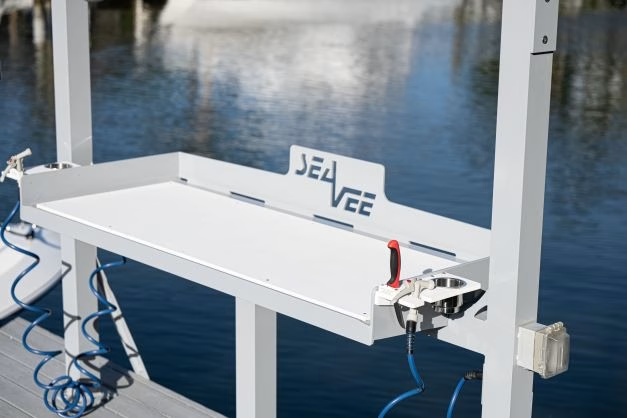
If that sounds like you, we’ve got dock-ready fish cleaning station options too, so you can build a setup that works on the water and at home base without trying to force one table to do everything. And the best part is, both our boat tables and dock stations are fully customizable. You can add a personalized waterjet logo, choose the powder coat color you want, go with a glossy or textured finish, and dial in the setup with the accessories that match how you fish.
Want help picking the right setup? Check out our boat tables and dock stations, or reach out and tell us your boat and dock layout. We’ll help you build the right station for how you fish!
Proudly Built in the USA
SeaWard builds some of the richest products in the marine industry. Every product is carefully designed and thoroughly tested to provide a better experience on land, by the sea.
Featured article:
Florida Sport Fishing
Discover the Difference with SeaWard’s Custom Marine Products
SeaWard Systems custom marine products are influencing the marine industry and serving all who seek life on the water…
Recent Posts
-
Innovative Fishing Rod Storage Ideas
Most fishing rods aren’t damaged while you’re fishing. A lot of the avoidable damage happens when you’re not even on the water. Loading up, moving…
-
How to Store Fishing Rods: Best Tips for Home, Garage, Dock & Travel
How you store your fishing rods can mean the difference between ready-to-go gear and costly damage. Proper storage keeps rods straight, prevents tangled lines, and…
-
Top 10 Must-Have Dock Accessories for Boaters
If you’ve got your own dock, you already know it’s more than just a spot to tie up the boat. It’s where the day begins…
-
Buyer’s Guide: Choosing the Best Fish Cleaning Table
A quality fish cleaning table can completely transform how you clean and prepare your catch, giving you a hygienic, organized workspace for faster filleting and…